Turn in your Bible to Mark 1.9-15. In today’s Story, three vital incidents happen that shape Jesus’ identity, character, and purpose in his life, i.e. His baptism, his temptation in the wilderness, and his mission to proclaim the Good News. Interestingly, Mark has these same three issues appear again later in his Story where the religious authorities question Jesus’ identity in Mark 11, when Jesus is once again tempted three times by Caiaphas, Pilate, and the soldiers at the Cross, and when the resurrected Jesus tells the women to go and proclaim to the others what they have experienced.[1]
Mark wants us to notice these three themes because they are three movements and themes in each of our lives, too. We each have to wrestle with our identity, our character, and our purpose in life. Listen to Mark 1:9-15 and hear the Word of the Lord!
Mark 1:9-15
In those days Jesus came from Nazareth of Galilee and was baptized by John in the Jordan. And just as he was coming up out of the water, he saw the heavens torn apart and the Spirit descending like a dove on him. And a voice came from heaven, “You are my Son, the Beloved; with you I am well pleased.” And the Spirit immediately drove him out into the wilderness. He was in the wilderness forty days, tempted by Satan; and he was with the wild beasts, and the angels waited on him.
Now after John was arrested, Jesus came to Galilee, proclaiming the good news of God, and saying, “The time is fulfilled, and the kingdom of God has come near; repent, and believe in the good news.”[2]
This morning, we are going to focus on verses 12 and 13 which have been often called Jesus’ temptation story; specifically, we are going to zero in on the wilderness and its impact on forming one’s personal spiritual character.
The wilderness played a large part in Jewish spiritual formation. When God liberates the people from Pharaoh’s cruel hand, God leads them through the wilderness for not 5, 10, but 40 years – an entire generation! Along the way, they complained to God, they fought with God, they disobeyed God but through all their ups and downs, they learned something about themselves and most importantly, they learned something about God’s character.
They learned God is the creator and they are the created. They learned that God is holy and separate from the rest of the world and that God was calling them to be the same. They learned God has set limits and boundaries in our relationships to help us keep our focus on the Lord while honoring and loving our neighbor as well. For the ancient Hebrews, the wilderness was the often uncomfortable but ever-so-necessary University of Hard Knocks that shaped them into a people before they claimed the land of Promise.
The Patriarch Jacob went into the wilderness and learned something about God as well as himself. The wilderness humbled Jacob and he began to see the jerk he was acting like in the family.
The Prophet Elijah escaped into the wilderness hiding for his life, totally despondent because he felt God had set him up in his confrontation with Ahab and Jezebel.
And then today, we see Jesus going into the wilderness. Actually, Jesus was driven out by the Holy Spirit into the wilderness as this was the one place where he, like his ancestors Jacob, Moses, and Elijah before him, would have to go and develop his character and learn about God and others in ways he had not before. It was the place where he had to confront his doubts, confront the very face of evil, and then lean into the angels of God to tend to him in ways he may not have known he needed at the time. It was the place where Jesus learned the difference between knowing his Bible, i.e. the Torah and living it out in real life. The wilderness taught him about his Father as well as his relationship with the people of Israel at the time and why he was sent to us.
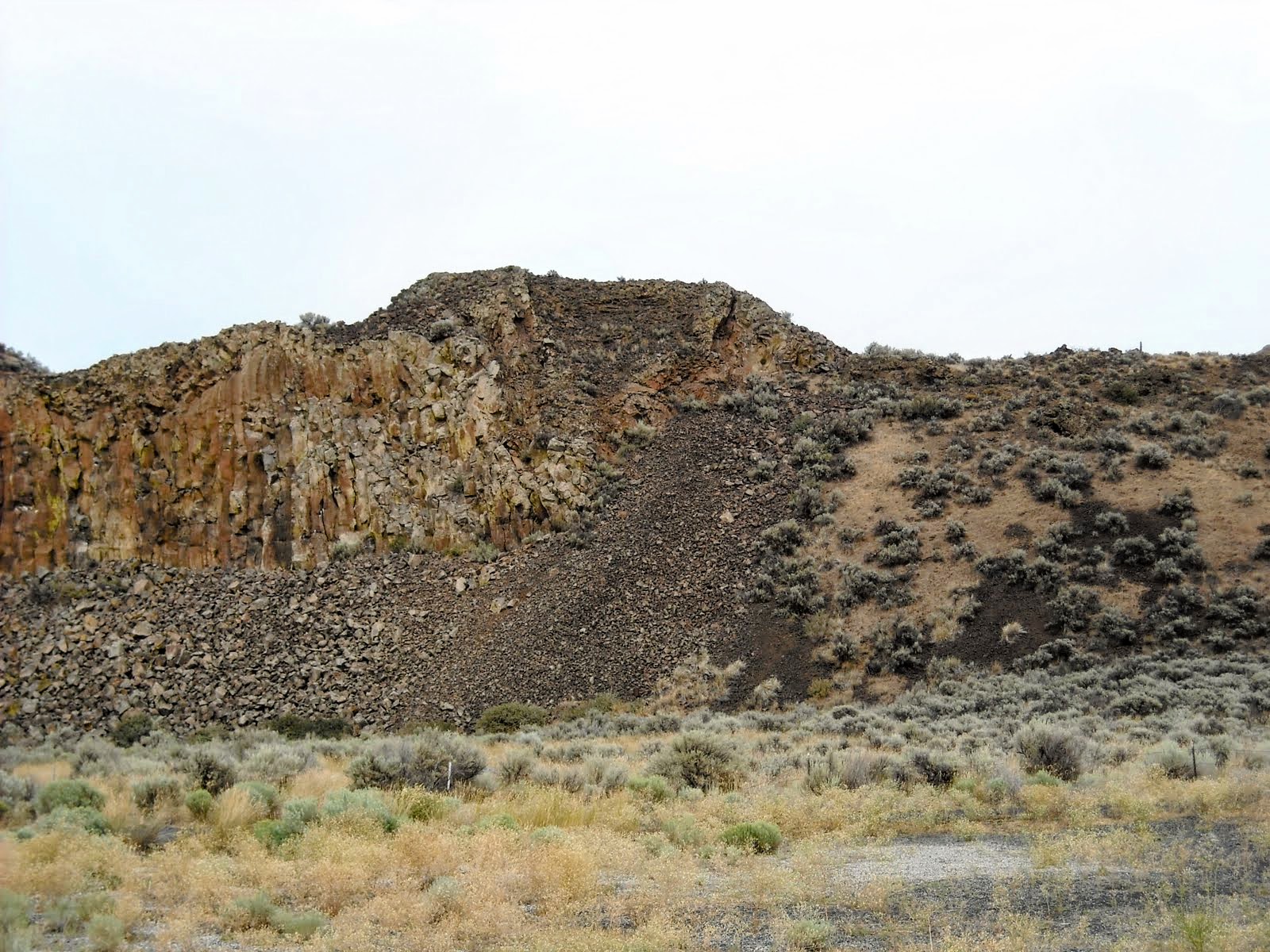
The wilderness of Judea is a hot, rocky, rugged place. It is an unforgiving environment that will make or break you. There is a road today that runs from Bethlehem down some twenty-five miles towards Jericho called the “Fire Road” because it’s so hot and unforgiving. I’ve also seen this type of wilderness in the high deserts of Washington and Oregon as well as in the Badlands of South Dakota.
The wilderness is the place where the limits of our faith and understanding of God are tested and tried. The wilderness is the place where we discover if we will fall into the temptations before us or if will we rely on the beloved angels to minister to our character and keep us God-focused instead of moment-focused. The wilderness is that place that is difficult and we are forced to confront what we ultimately believe about life, our neighbor, and most importantly, our God.
Consequently, the wilderness may not always be a physical place for you and me. The wilderness may be the endurance of a painful divorce or a betrayal in a loving relationship. The wilderness may be for some of us a period of depression when all we see and experience around us is an ever-decreasing hole of light and warmth as we are swallowed into cold darkness. The wilderness may be a diagnosis of cancer or disease that pushes the limits of one’s faith and trust in God to the edge.
Now let me clarify, divorce, a disease, or illness are not to be confused with the wilderness itself; a divorce, a life struggle, or an illness or disease is simply how we are driven out into the wilderness’ stark reality. So, what are redemptive life-sustaining, and spirit-enhancing lessons we can gain from being in the wilderness?
First and foremost, God has not left us alone in the wilderness. Unlike Elvis, God has not left the building! God is present with us amid the wilderness times whether we are aware of that special holy Presence or not. Jesus was in the wilderness, but he was not alone! Yes, evil was there to tempt and try him but so was God’s presence in the angels who tended to his needs. Jesus could choose to be open to the Presence of God or not; the choice was his.
The second lesson we can learn is that the place of wilderness is neither good nor bad per se; rather, it’s what we do and ascribe to what happens in the wilderness that dictates its “goodness” or “badness.” For Jesus, the wilderness was always ‘just out there’ for every Palestinian. When placed in the wilderness, Jesus had to learn how to respond to the pains, trials, temptations, and doubts. Jesus had a choice. He could choose to respond by remaining grounded in his Father and responding out of his Father’s character, or Jesus could choose to take the easy way of temptation to reap short-term benefits in exchange for long-term, spiritual costs. The wilderness did not tempt Jesus; Satan tempted Jesus. The wilderness is where Jesus had to figure out how to respond to the voice of evil.
So, for you and me, the lay-off, the divorce, the illness, the accident, or whatever the crisis is in our life are simply the vehicles that drive us to the wilderness whereupon we each have to choose how we will navigate our faithful response. It’s the place where we quit focusing on the life circumstances that brought us to the wilderness (e.g. cancer, illness, divorce, etc.) and begin learning how to rely on God in those circumstances. The wilderness is an existential place each of us is delivered to where we are left to face a panoply of choices on how we will consciously choose to live life. It’s the place where we wonder about our existence as well as about God’s place in our lives; the wilderness is the place where we wrestle with God like Jacob at Bethel and deal with hard questions.
This Lent, the Holy Spirit is driving each of us into the wilderness. Do not be afraid to go there, beloved. It is the place where you and I can grow deeper and closer to God and to one another. Don’t be afraid to go there because…remember, we do not go into the wilderness alone! God and his angels are already waiting for you and for me! Amen.
© 2024 Patrick H. Wrisley. Sermon manuscripts are available for the edification of members and friends of First Presbyterian Church, Glens Falls, and may not be altered, re-purposed, published or preached without permission. All rights reserved.
[1] See Mark 11:27, Mark 14:53-15:15 and Mark 15:16-32.
[2] New Revised Standard Version (NRSV). New Revised Standard Version Bible, copyright © 1989 the Division of Christian Education of the National Council of the Churches of Christ in the United States of America. Used by permission. All rights reserved.


 patrick h wrisley